Real help for the people around a child with CVI.
Guides you can use tonight, pages you can print, and words you can send to school.
Free parent helper. It's AI, and it doesn't save what you paste.
Everything in one place
26 guides, checklists and letters. Free. No sign-up to read or print.
Your student has CVI
One page for the teacher, with a 3-minute film.
Open TemplatesLetters and emails you can copy
Ask for an evaluation, a meeting, or a decision in writing.
Open ChecklistBefore the school meeting
What to bring, what to say, and what not to sign.
Open PrintFor grandparents and family
One page that explains CVI and what to do.
OpenFor parents
What to do this week, at home and when you go out.
- Parents: start here2 min
- Just diagnosed: your first week3 min
- CVI at homePrint
- Out and about with CVIPrint
School and IEPs
Words to say, supports to ask for, letters to copy.
- School plans in plain English3 min
- Supports to ask for at schoolPrint
- Before the school meetingPrint
- Letters and emails you can copyTemplates
For teachers and staff
Three minutes, one page, then Monday.
- Your student has CVIFilm + 1 page
- Classroom checklist for a student with CVIPrint
- Worksheets, books and screens3 min
- For aides and paraprofessionalsPrint
Hand it to someone
One page for the people around your child.
- Explain CVI to grandparents and familyPrint
- For the babysitterPrint
- For brothers and sisters3 min
- How to explain your CVIPrint
Find real help
Doctors, services and other parents, by what you need.
Understand CVI
The plain-English version, with sources.
- What is CVI?Film
- Something is off: signs it could be CVI2 min
- CVI glossaryA to Z
- What is CVI? The filmFilm
She knows the cup is there. She can't find it.
CVI starts in the brain, not the eyes. A busy scene won't split into separate things.
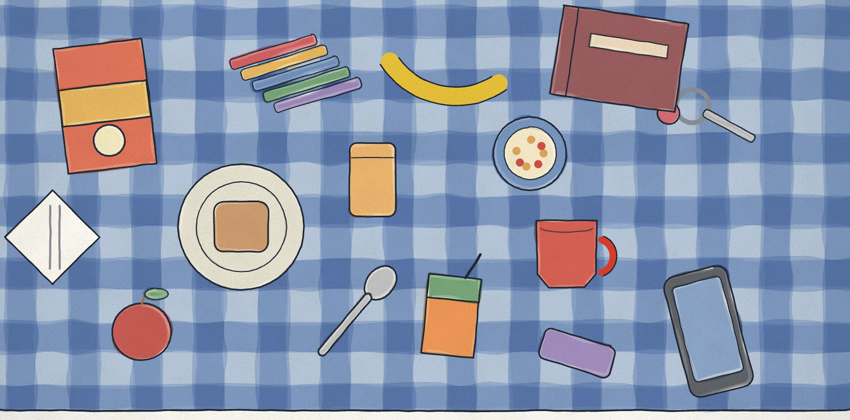

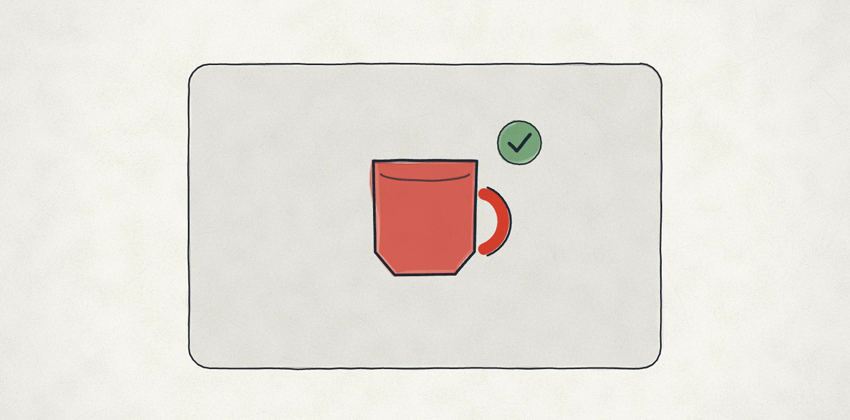
No picture can show exactly what CVI looks like. It isn't blur, and it's different for every kid. Read the plain-English explanation.
Six small things that help
- Clear the clutterOne thing on the table. A plain wall behind you.
- One thing at a timeLook, or listen, or reach. Pick one.
- Say who you are"Hi Maya, it's Grandpa." Faces are hard.
- WaitCount to ten. Don't fill the silence.
- Turn down the noiseA loud room crowds out vision.
- Mark the edgesBright tape on stairs and curbs.
And when she says she can't see it, believe her.
Got an email from school? Paste it in.
You'll get it in plain English, the questions worth asking, and a reply you can send tonight.
It's AI, not a lawyer. Nothing you paste is saved.
Quick answers
- What is CVI?
- A vision problem that starts in the brain, not the eyes. The eyes can be perfectly healthy. The brain has trouble turning what they send into a picture that makes sense. CVI stands for cortical (or cerebral) visual impairment.
- What does a kid with CVI actually see?
- Nobody can show you exactly, and it's different for every kid. Common things: a busy scene won't split into separate objects, only one thing shows up at a time, faces are hard to read, and the bottom of the view is missing. It isn't blur.
- Why can she see it one day and not the next?
- Seeing takes a kid with CVI real effort. When she's tired, or the room is loud, cluttered or new, it gets harder. It's not attitude, and it's not a lack of trying.
- Will glasses fix it?
- No. Glasses fix eyes, and CVI is in the brain. Some kids with CVI also need glasses for a separate eye problem.
- Is CVI rare?
- No. The US National Eye Institute calls it a leading cause of vision loss among kids in the United States. Many kids are never diagnosed, because their eye exams can look normal.
Sources: National Eye Institute and Perkins School for the Blind. How this site is checked.