What causes CVI? Prematurity, CP, seizures and more
CVI comes from damage to, or differences in, the parts of the brain that handle vision. The National Eye Institute says this most often happens before, during or shortly after birth. Common causes include lack of oxygen or blood flow to the brain, being born early, seizures, hydrocephalus, infections, head injury, and some genetic and metabolic conditions.
The short version
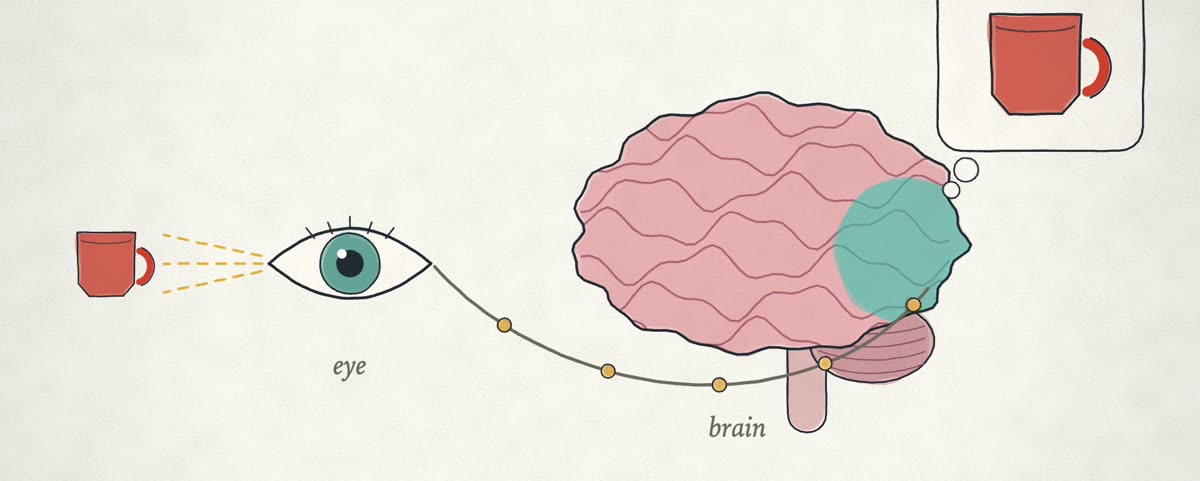
CVI starts in the brain. The National Eye Institute (NEI) says it’s caused by an injury to the brain, and that most of these injuries happen before, during or shortly after birth.
The 2024 NIH working definition of CVI says every child with CVI has an underlying brain condition that affects how the vision pathways develop and work. Sometimes doctors can name it. Sometimes they can’t.
Common causes
Each of these is named by the NEI, the American Academy of Pediatrics (AAP) 2024 report on CVI, or the NIH working definition.
- Lack of oxygen or blood flow to the brain. Doctors call this hypoxic-ischemic encephalopathy, or HIE. The AAP report says it’s the most common cause of CVI. The NEI says it’s often because of a stroke.
- Being born early. The NEI says babies born early are more likely to have CVI. The AAP lists bleeding in the brain and PVL, which is damage to the brain’s white matter (its wiring), in babies born early. It says studies find signs of CVI in 21% to 47% of children born preterm.
- Seizures. The NIH names seizures, especially epileptic encephalopathy, a severe epilepsy that affects development. The AAP names infantile spasms, a type of seizure in babies.
- Hydrocephalus. Fluid that builds up in the brain (NEI).
- Infections that reach the brain, such as meningitis or encephalitis (NEI, AAP).
- Head injury (NEI, AAP).
- Genetic and metabolic conditions. The AAP gives very low blood sugar and leukodystrophies (conditions that damage the brain’s white matter) as examples.
- Differences in how the brain formed before birth (AAP).
CVI and cerebral palsy
Cerebral palsy (CP) and CVI often go together. The AAP report explains that the brain’s vision wiring runs close to the wiring that controls movement, so one injury can affect both. It says studies find CVI in 26% to 83% of children with CP. The range is wide because studies define CVI in different ways.
Seen from the other side, Perkins School for the Blind looked at US insurance data and estimated that 65% of children with CVI also had a CP diagnosis, and 64% had epilepsy. That’s an estimate, not a census.
If your child has CP or epilepsy, ask about CVI, even if the eye exam was normal:
“My child has cerebral palsy. Could they also have CVI? Can we check how they use their vision, not just the eye chart?”
When the brain scan looks normal
A normal MRI doesn’t rule out CVI. The NIH working definition says damage from some causes, like seizures or a genetic or metabolic condition, may not show on a standard brain scan. It also says doctors don’t need an abnormal scan or genetic test to diagnose CVI.
The same goes for the eye exam. See what to bring to the doctor and signs it could be CVI.
Does the cause change what helps?
Not much, day to day. The AAP report says no specific cause has been found to predict how a child will do. What helps depends on how your child uses their vision right now, which a teacher of the visually impaired checks in a functional vision assessment.
The cause still matters to the medical team. It can point to other conditions to watch, like seizures or hearing loss. Read more in does CVI get better?
Questions to ask the doctor
- “What do you think caused my child’s CVI?”
- “Does the cause change anything we should watch for?”
- “Should my child have a brain scan or genetic testing?”
- “Should we check hearing or anything else linked to this cause?”
- “Can you write the cause and the CVI diagnosis in a letter for school?”
Common questions
- What causes CVI in babies?
- The National Eye Institute says CVI is caused by an injury to the brain, most often before, during or shortly after birth. Common causes include lack of oxygen or blood supply to the brain, hydrocephalus, infections that reach the brain, head injury and some genetic conditions. Babies born early are more likely to have CVI.
- Do all children with cerebral palsy have CVI?
- No, but many do. The 2024 American Academy of Pediatrics report says studies find CVI in 26% to 83% of children with cerebral palsy, depending on how CVI is defined. If your child has cerebral palsy, ask for a vision check that looks beyond the eye chart.
- What is PVL, and how is it linked to CVI?
- PVL (periventricular leukomalacia) is damage to the brain's white matter, its wiring, in babies born early. The NIH working definition of CVI lists prematurity with PVL as one of the brain conditions linked to CVI.
- Is CVI genetic?
- Sometimes. The National Eye Institute and the NIH both list certain genetic and metabolic conditions among the causes. Ask your doctor whether genetic testing makes sense for your child.
Sources (4)
- National Eye Institute, Cerebral Visual Impairment (CVI)
- Chang, Merabet and the CVI Working Group, Cerebral/cortical Visual Impairment (CVI) Working Definition, a report from the NIH CVI Workshop (Ophthalmology, 2024)
- American Academy of Pediatrics, Cerebral/Cortical Visual Impairment clinical report (Lehman, Yin, Chang and others, Pediatrics, 2024), PDF hosted by PCVIS
- Perkins School for the Blind, CVI by the numbers
From cviexplained.com/cvi-causes/. General information for families and school staff. Not medical or legal advice. CVI is different for every child.