Phase I CVI: what it looks like and what helps
Phase I covers about 0 to 3 on the CVI Range: your child may look briefly and then look away, stare at lights, and notice only simple, single-color or shiny things in a quiet, plain space. The goal is steadier looking. You help by making one thing easy to see: one familiar object, one color, a plain background, no noise, and plenty of time.
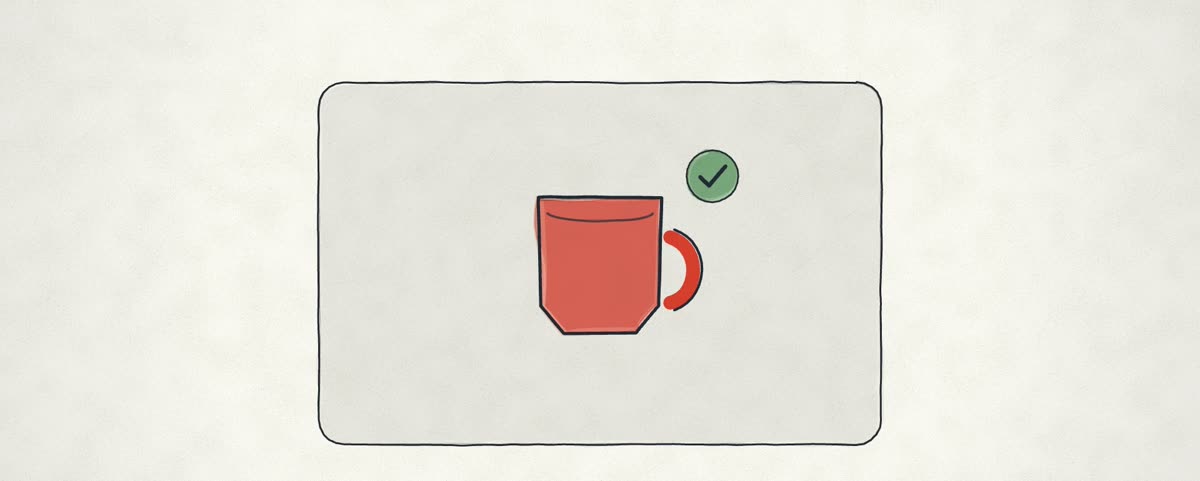
What Phase I often looks like
- Looks, then looks away. Looking straight at something is rare.
- Drawn to lights, windows, and shiny or moving things.
- Notices objects of one color, often a favorite color. Patterns and busy backgrounds get ignored.
- A long pause before looking. That pause is called latency.
- Looks best when it’s quiet. Extra noise can stop the looking.
- May reach for things without looking at them.
These are common patterns, not a test. Only a trained person can score the CVI Range. More on the score: What is the CVI Range?
Why less works better
In Phase I, looking takes a lot of your child’s energy. Anything extra can use it up: noise, patterns, a new object, even the effort of sitting up. So you help by taking things away, not adding them.
Try this at home
Pick one object
Familiar, one color, ideally your child’s favorite. Shiny or light-reflecting helps.
Clear the background
A plain dark towel or blanket. Nothing else on it.
Turn off the noise
TV, music, talking. Keep it quiet while you offer the object.
Support your child’s body
Make sure they’re comfortable and well supported, so their effort goes to looking. Ask the physical or occupational therapist how.
Hold it still, or move it slowly. Then wait
Count to ten in your head. Don’t fill the silence.
Do it every day, the same way
Same cup, same spoon, same spot. Build looking into meals, bath, dressing and play.
Light can help draw your child’s eyes to the object. Use it on purpose, for a moment, not all day.
Signs your child has had enough
- Hiccups or yawning
- Turning away or pushing the object away
- Staring at a light
- Closing their eyes for a long time, or falling asleep
- Grimacing, or a high-pitched sound
When you see these, stop. Try again later. That’s not failure. It’s information.
Who should be on your team
- A teacher of the visually impaired (TVI). Under 3, ask through early intervention. Age 3 and up, ask the school district.
- An orientation and mobility (O&M) specialist. They teach safe moving around. Perkins says everyone with CVI has a right to O&M instruction.
- Your physical and occupational therapists, for positioning.
“My child has CVI. Can a teacher of the visually impaired assess how they use their vision, and show us how to set up our home and daily routines?”
Where to go next
- Phase II CVI, for what often comes next
- All three phases side by side
- CVI activities and toys for each phase
- CVI at home
Common questions
- Why does my toddler stare at lights?
- Many things can cause it, and only a doctor can tell you why in your child's case. In children with CVI, a strong pull toward light is common in Phase I. If you're worried, ask your child's doctor about CVI.
- What are good CVI phase 1 activities?
- Everyday routines work best: meals, bath, dressing and play. Offer one familiar object in your child's favorite color, on a plain background, in a quiet room, and wait. A teacher of the visually impaired can help you choose.
- Will my child stay in Phase I?
- Nobody can predict that. Scores can rise over time, usually slowly. Support helps your child use the vision they have.
Sources (4)
From cviexplained.com/phase-1-cvi/. General information for families and school staff. Not medical or legal advice. CVI is different for every child.